Resources
Read this before you buy anything.
Guides written by the engineers who size our systems. Plan the farm, choose the equipment, start the biofilter.
Guides
All guides.
Guides
In a dense RAS, a power cut or a stopped pump can cost the stock in less time than it takes to drive to the farm. This guide explains how to work out how long your fish can survive a failure, and what backup each part of the system needs.
Guides
A RAS replaces the natural buffer of a pond with equipment, so water quality can change within hours. This guide lists the parameters that matter, the ranges farms usually work to, how often to measure each one, and which ones need a continuous sensor and an alarm.
Guides
Nitrifying bacteria use up alkalinity as they remove ammonia, so pH in a RAS drifts down every day. If nobody tops it up, the biofilter slows and ammonia rises. This guide explains why it happens, which numbers to hold, and how to size the daily dose.
Guides
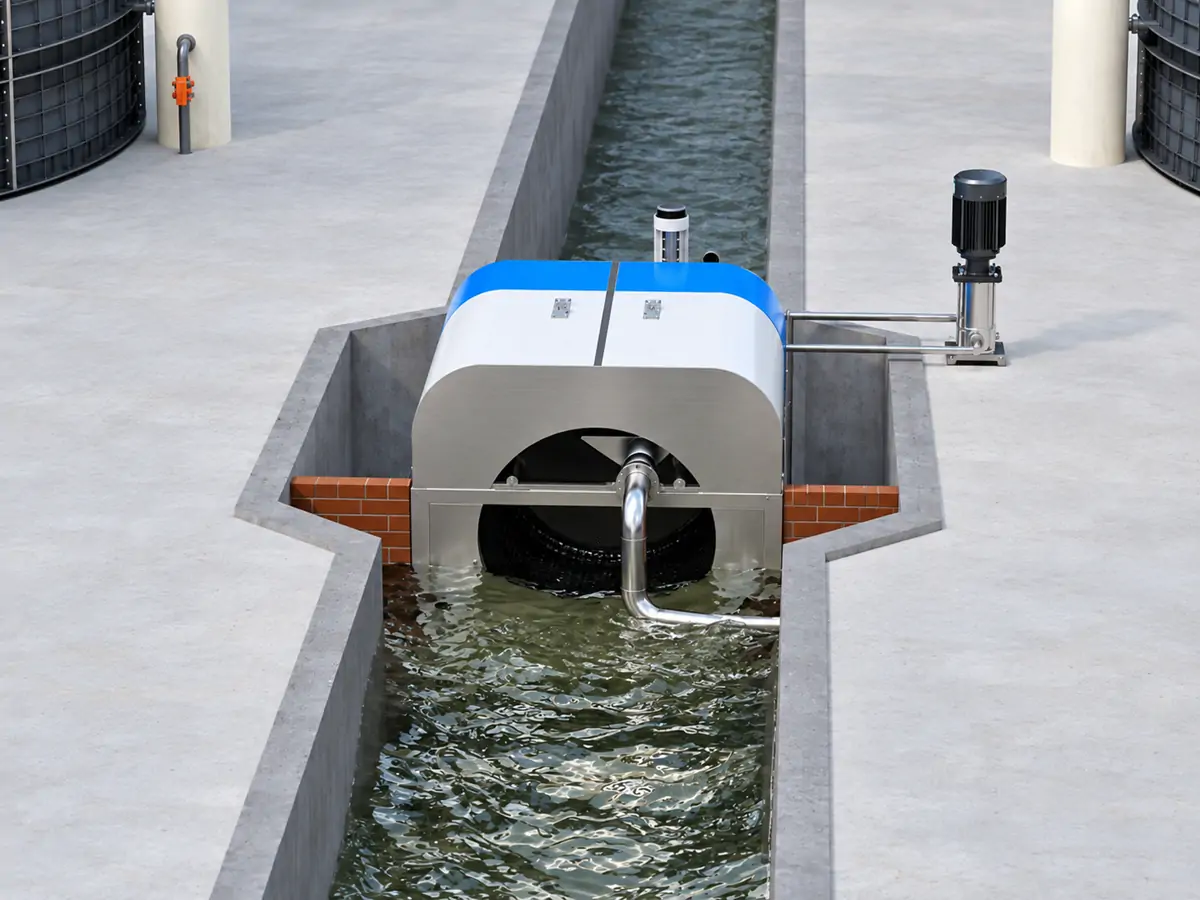
A RAS can remove solids with a drum filter, a bead filter, a disc filter, a settler or a protein skimmer. They are not five versions of the same thing. Each catches a different size of particle, handles a different flow and creates a different maintenance job. This guide compares them so you can see which ones your system needs, and in what order.

Guides
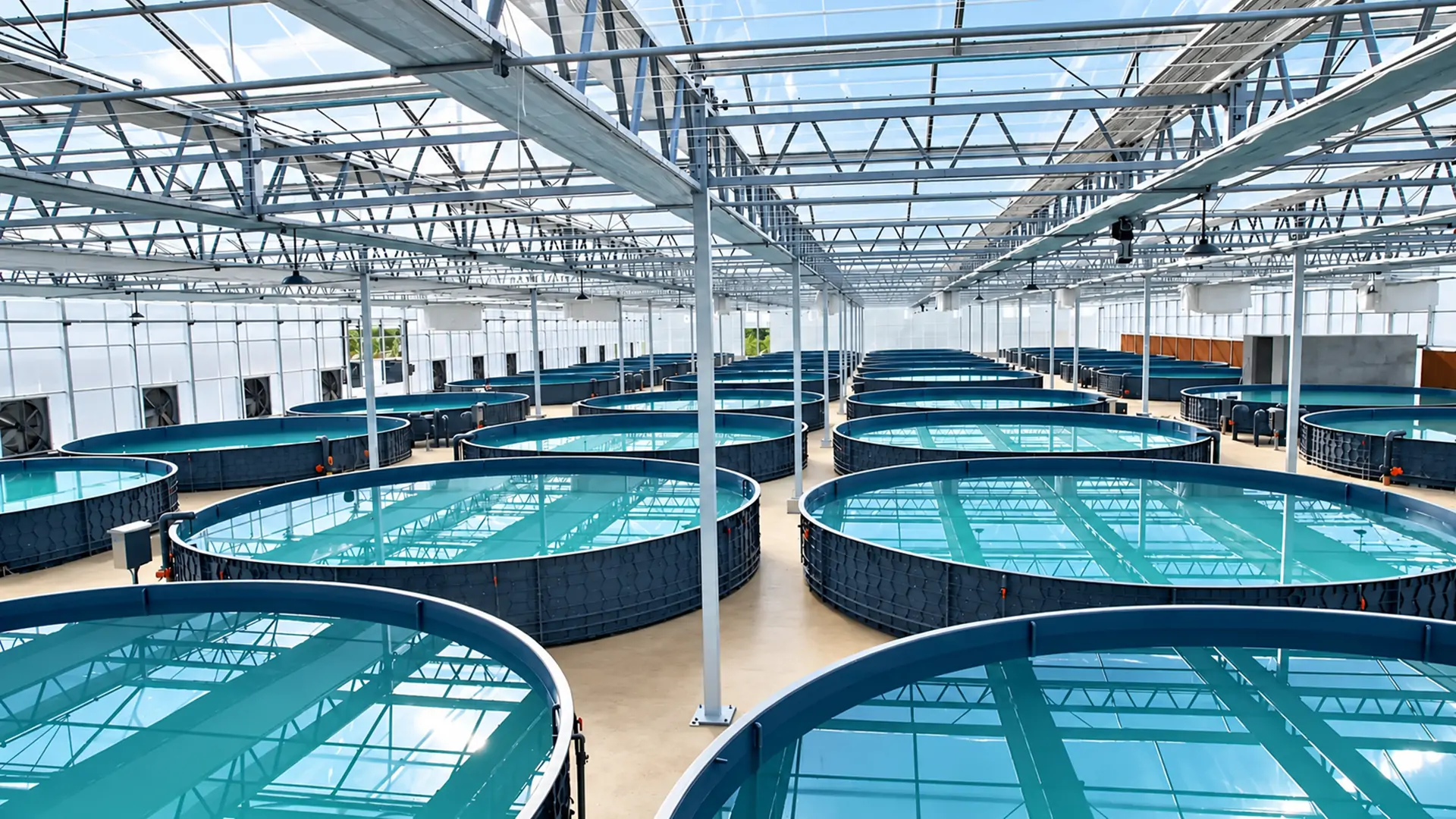
A recirculating aquaculture system, or RAS, grows fish in tanks and treats the same water again and again. Instead of drawing new water and letting it flow away, the farm cleans the water and sends it back to the fish.
Guides
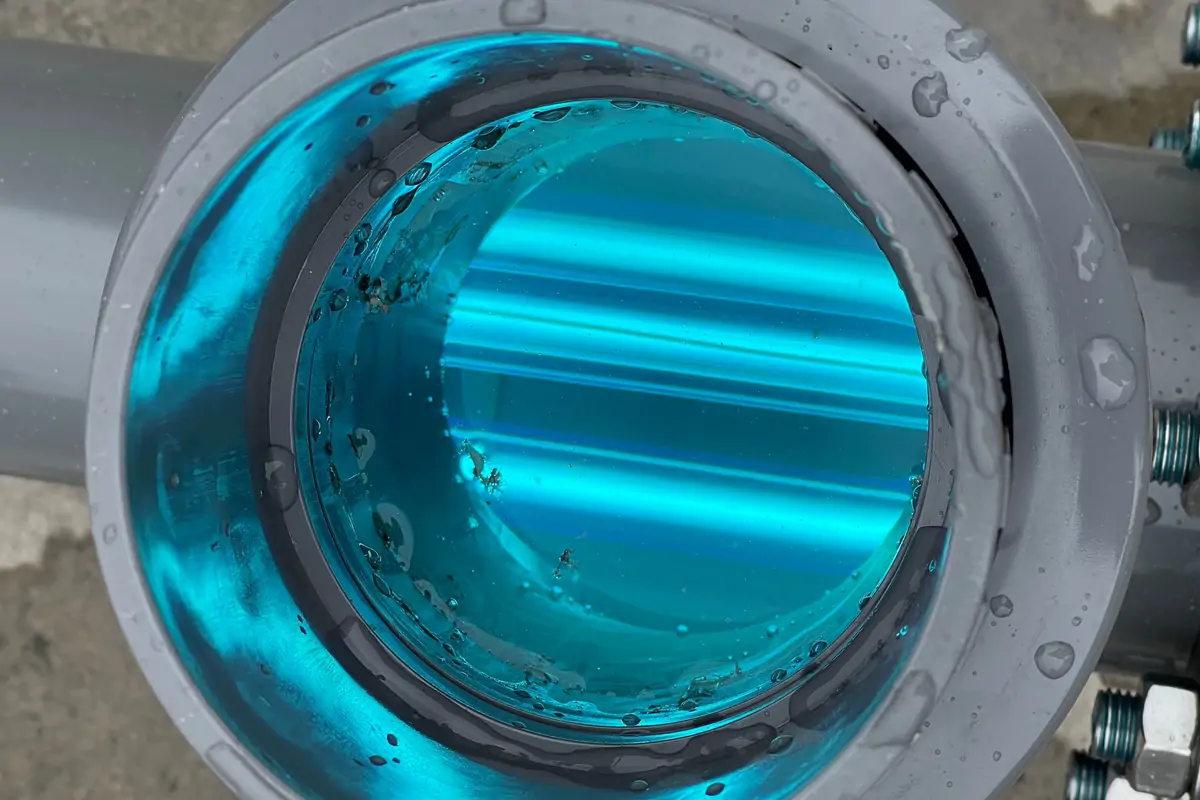
UV and ozone are often compared as alternatives. They do different jobs. UV treats pathogens in the water flow. Ozone oxidises organics and colour. Many systems use both.
Guides
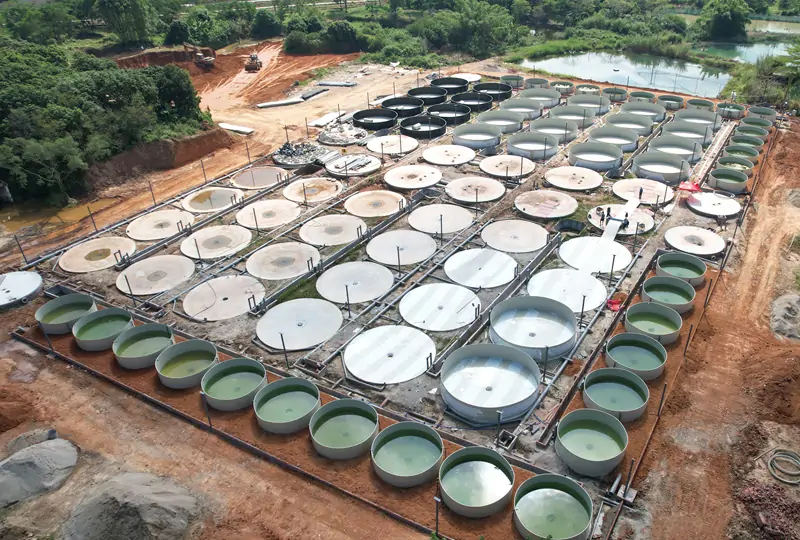
Two farms with the same tank volume can differ widely in cost. Volume is the easiest number to compare and the least useful. This guide explains which inputs set the budget, so you can judge any quote you receive.
Guides
A layout is only as good as the numbers behind it. Collect these before you ask any supplier for a design or a price. Missing a few is fine: send what you have and say what is unknown.
Guides
A RAS design is a chain of numbers. Start from how much fish you want to sell, and each step sets the next. Get the first numbers right and the equipment follows.
Guides
In a dense RAS, oxygen usually limits the farm before space does. Fish use most oxygen just after feeding, and they breathe out CO₂ that builds up in a closed loop. Both have to be managed.
Guides
Most RAS problems start with one stage sized on an average instead of a peak. Fish eat in bursts, solids arrive in waves and oxygen demand jumps after feeding. Size every stage for the worst hour of the day, and check that the stages agree with each other.
Guides
A new biofilter has media but no bacteria. Until nitrifying bacteria grow on it, the system cannot remove the ammonia fish produce. Stocking too early is one of the most common causes of losses in a new RAS.
Planning a farm?
Start with the checklist, then send us the numbers.
Send species, target output and site size. A first layout comes back in 3 days, free.
- Layout, equipment list and flow balance
- Sized on your species and feed
- Made in our 12,000 m² factory
- No obligation to order